When
I read an article like this one from NPR, I try to think about what I can do to
help. Otherwise, I get engulfed bu negativity. In this case, I think
that as consumers we can do a lot by taking responsibility for our
consumption and minimizing it.
In regards to mining, I read somewhere that for certain metals, there is more of them in landfills than there is left in the earth, due to low recycling rates. So recycling is important. But to me, lowering consumption upfront is even more important, not only with metals, but with plastic, paper, fiber, everything. If we minimize the amount we mine or produce in the first place, that is better than recycling, which requires energy. I know that in our culture, the mantra is that the economy must grow at any price, so the suggestion of cutting consumption may not be very popular. But look at that dirty, toxic water in the picture, and think about the dirty air some people have to breathe, or the contaminated soil full of toxic substances that eventually end up in your food, and ask yourself if a growing economy is worth all that. So instead of buying and throwing away, buyinh and throwing away, or even buying and recycling, go out to a park, take a hike, go swim in a lake, take your kids out into fresh air and clean water and enjoy that.
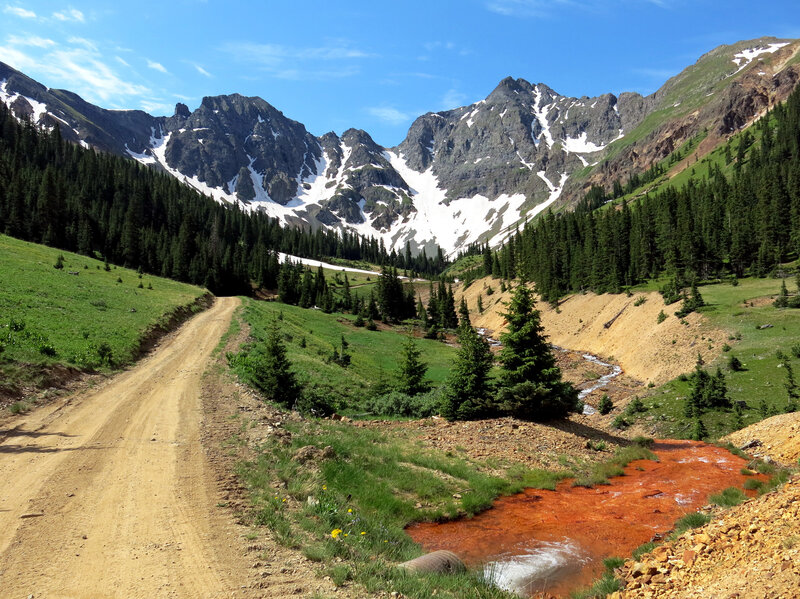
In regards to mining, I read somewhere that for certain metals, there is more of them in landfills than there is left in the earth, due to low recycling rates. So recycling is important. But to me, lowering consumption upfront is even more important, not only with metals, but with plastic, paper, fiber, everything. If we minimize the amount we mine or produce in the first place, that is better than recycling, which requires energy. I know that in our culture, the mantra is that the economy must grow at any price, so the suggestion of cutting consumption may not be very popular. But look at that dirty, toxic water in the picture, and think about the dirty air some people have to breathe, or the contaminated soil full of toxic substances that eventually end up in your food, and ask yourself if a growing economy is worth all that. So instead of buying and throwing away, buyinh and throwing away, or even buying and recycling, go out to a park, take a hike, go swim in a lake, take your kids out into fresh air and clean water and enjoy that.


No comments:
Post a Comment